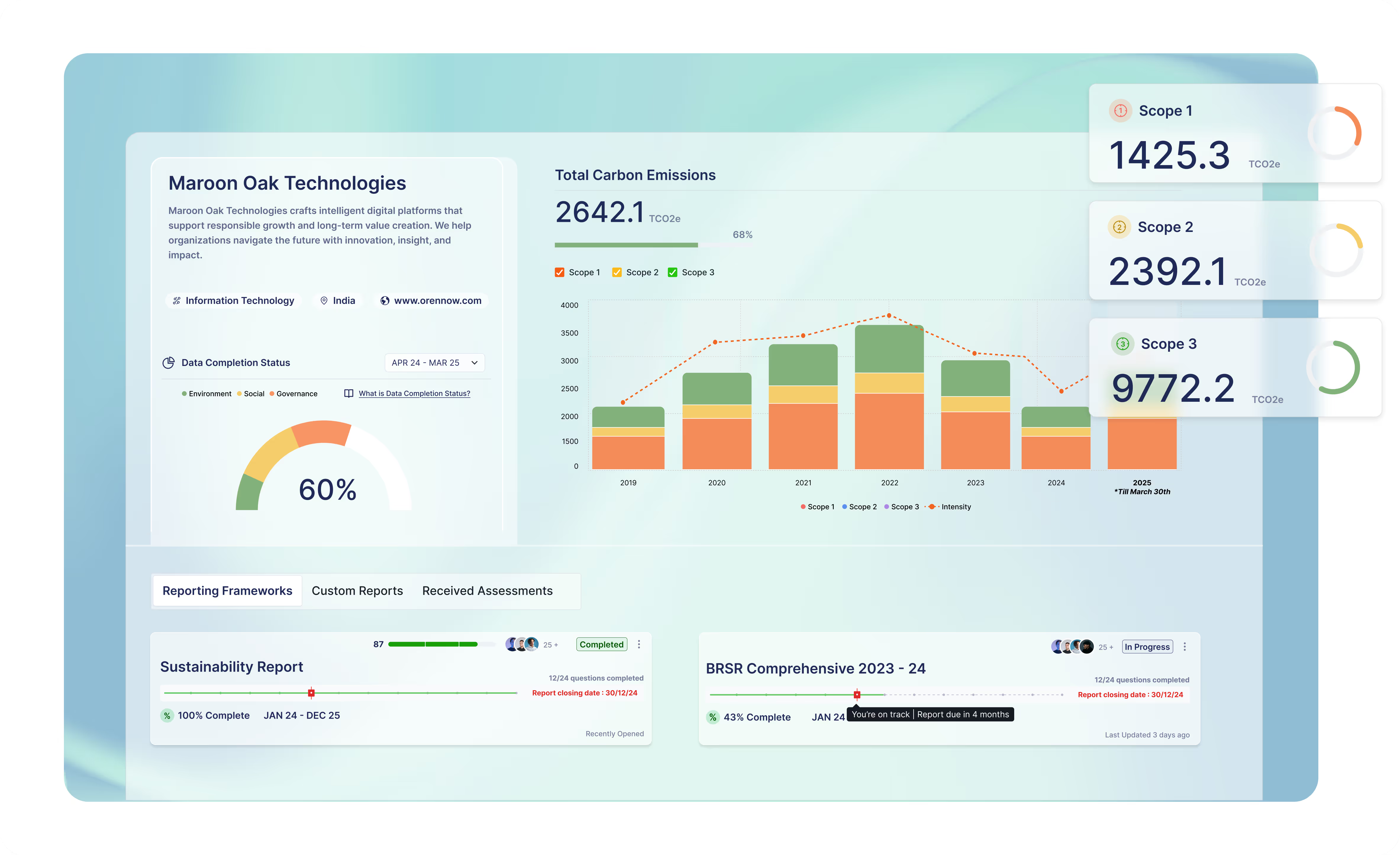
Aligning BRSR with Sustainable Development Goals: A Comprehensive Guide
Adapting to and mitigating the effects of climate action, as well as transitioning to sustainable development, have emerged as major global issues in recent years. Investors are now very focused on sustainability investing, as evidenced by an increase in total assets and inflows into sustainability-linked funds.
Following the immense success of the Millennium Development Goals, the Sustainable Development Goals (SDGs) have been adopted as part of the 2030 Agenda for Sustainable Development, which has been signed by 193 countries. The SDGs are a compilation of 17 goals and 169 targets, such as eradicating and diminishing poverty and hunger, combating climate change, promoting decent work and growth, and building sustainable cities and communities. Aligning with the SDGs is the next important and a huge step for many businesses to make a positive impact as an organization and attract investment dollars from increasingly climate-conscious investors.
The UN's Sustainable Development Goals (SDGs) consist of the backbone of the NRBCs Principles: Each of the 9 Principles that form the basic foundation of BRSR reporting has been aligned with the 17 SDGs that define the world we desire. The Sustainable Development Goals (SDGs) apply to all nations and it aims to ensure that no one is left behind. The 17 Sustainable Development Goals (SDGs) are part of the 2030 Agenda for Sustainable Development, which was accepted by all UN Member States in 2015. They have a roadmap for prosperity and peace for people and the planet today and in the future. SDGs are an important and valuable source document for learning about the NGRBC Principles and their fundamental parts, as well as providing clarity on various disclosures under the BRSR.
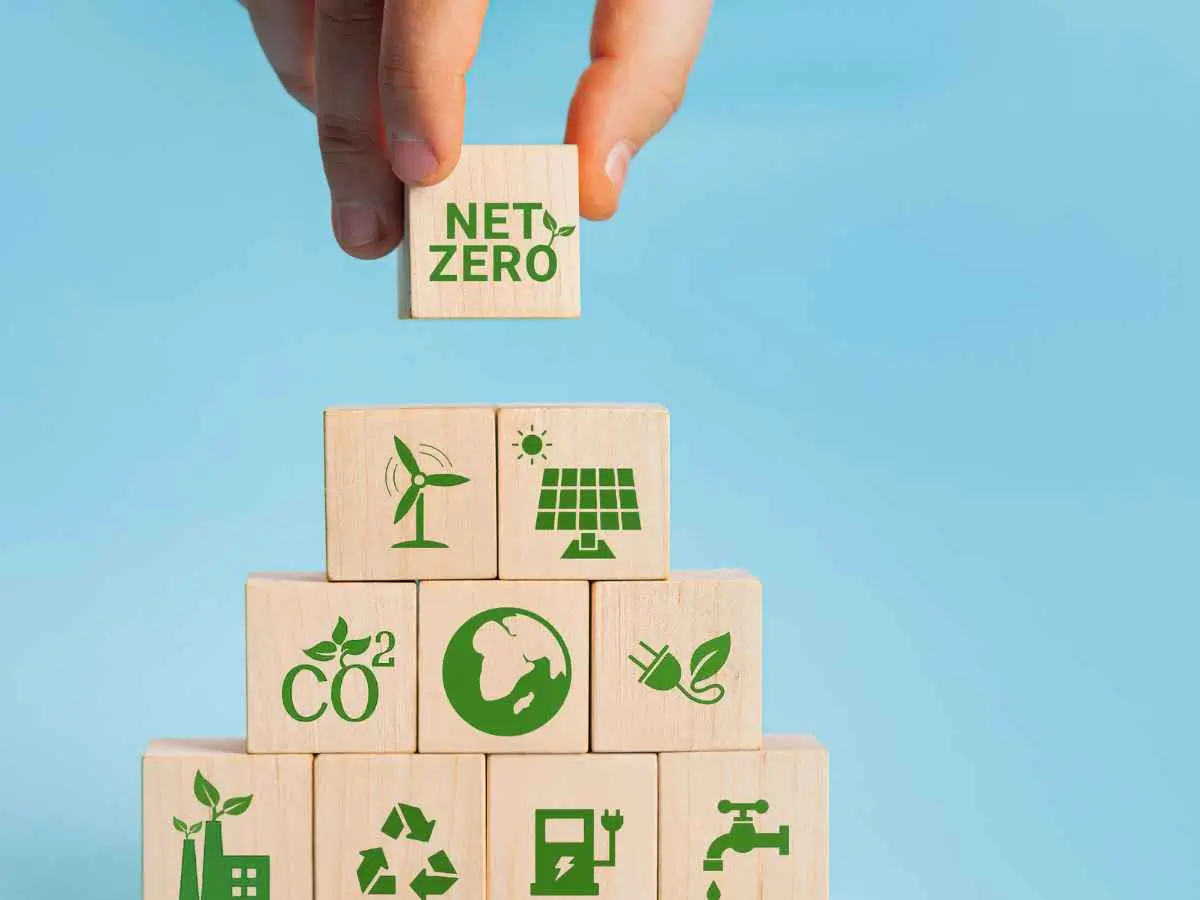
Corporate strategies are increasingly aligning with the Sustainable Development Goals (SDGs)
The recent rise in the global initiatives for sustainable development, such as the Global Investors for Sustainable Development (GISD) Alliance's commitment to investing in SDGs and reinforcing SDG actions across their portfolios, now requires companies to run the SDG assessment for their business and develop a response strategy. As per the KPMG study on SDG reporting in 2018, 84% of top companies have identified the SDGs that are most relevant to their business.
SDGs are becoming very important to the investors, as they represent important ESG perspectives that investors consider as part of their fiduciary duty. There is an interesting business case for investing in companies that are aligned with the SDGs and its motives, which have been shown to provide consistent returns to investors by creating a competitive advantage for their portfolio.
The SDGs serve as a major universal framework for companies and businesses to communicate their required performance, set targets and actions, engage with various stakeholders, including investors, and gain access to new market opportunities. The framework of the same favors the collaboration to solve the world's most challenging tasks in sustainability. Companies that desire and want to pursue SDGs and the benefits they bring should follow a number of steps in order to maximize the opportunity for the end.
The underlying motive of the BRSR can be described as the seamless alignment of various regulatory frameworks with the company's long-term objectives and sustainability goals, which are critical requirements for various stakeholders' decision-making processes. The Environmental, Social, and Governance (ESG) and Sustainability aspects of BRSR have been covered.
Overview, the company must provide a statement or a report highlighting and emphasizing ESG-related challenges, accomplishments, and goals. Companies will be urged to identify the potential risks, issues, and opportunities that they will face on their journey to becoming a socially, and environmentally conscious, and well-governed organization.
One can say that the SDGs may necessitate a shift in mindset. The objectives are complicated but interconnected, and their success is likely to rely on new collaborations between businesses, governments, and civil society, But useful tools are emerging to aid businesses in better understanding how they can contribute to the SDGs in a holistic manner. We believe that the SDGs provide a roadmap for businesses to engage with internal and external stakeholders on how to develop sustainable strategies that can transform not only their business models, services and products but also the communities in which they function and operate.

About the author
Kushagra
Senior ESG & Sustainability Advisor
Kushagra is a Senior ESG & Sustainability Advisor at Oren with 8+ years across CSR and sustainability consulting, specialising in GHG accounting, ESG strategy, and regulatory reporting across India, the UAE, and the Middle East.